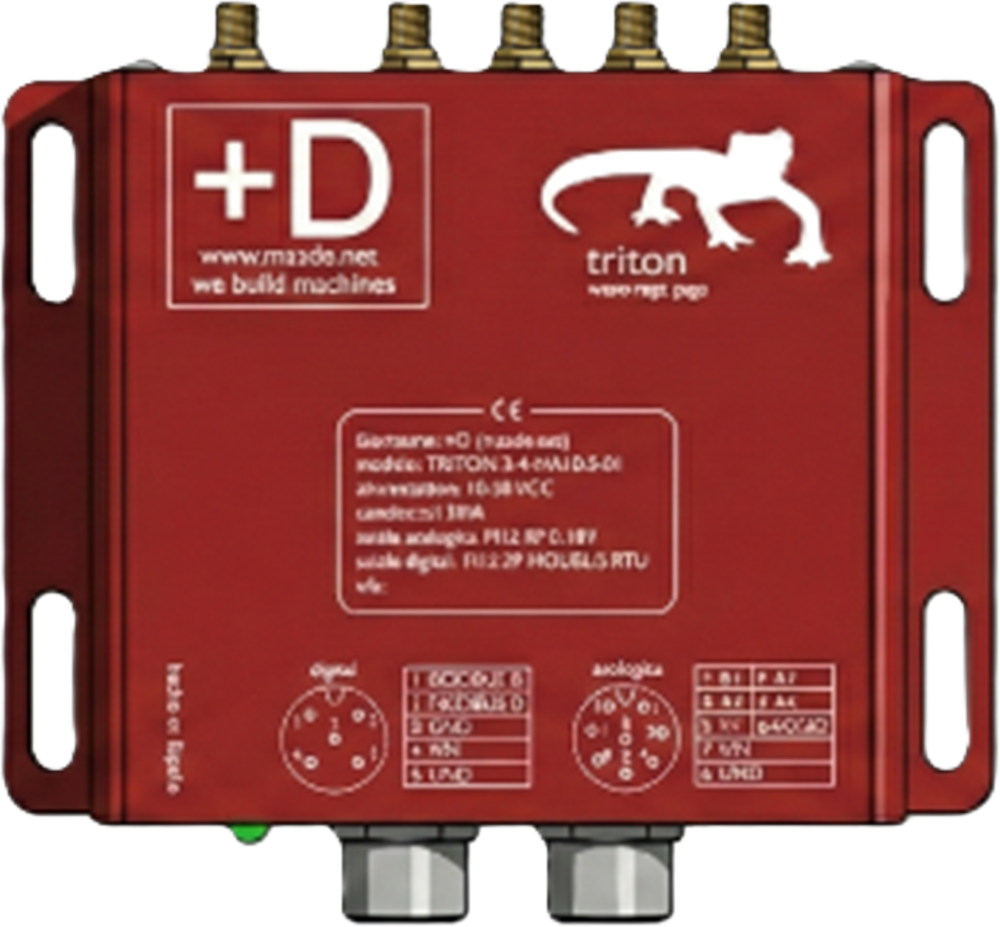
×1Triton 2 device

 Capacitive wave gauge
 Reads the free surface of water in real time — high frequency, sub-picofarad resolution, fully submersible.
At a glance
How it works
A sensor wire and a ground wire form a capacitor whose dielectric is the water between them. As the surface rises and falls, capacitance tracks it — letting Triton 2 resolve agitation, swell and the smallest disturbances in any tank, flume or experiment.
The embedded electronics adapt automatically to any probe length and depth, while delivering digital (Modbus) and analog (0–10 V / 4–20 mA) outputs at the same time. Setup and calibration are fast.
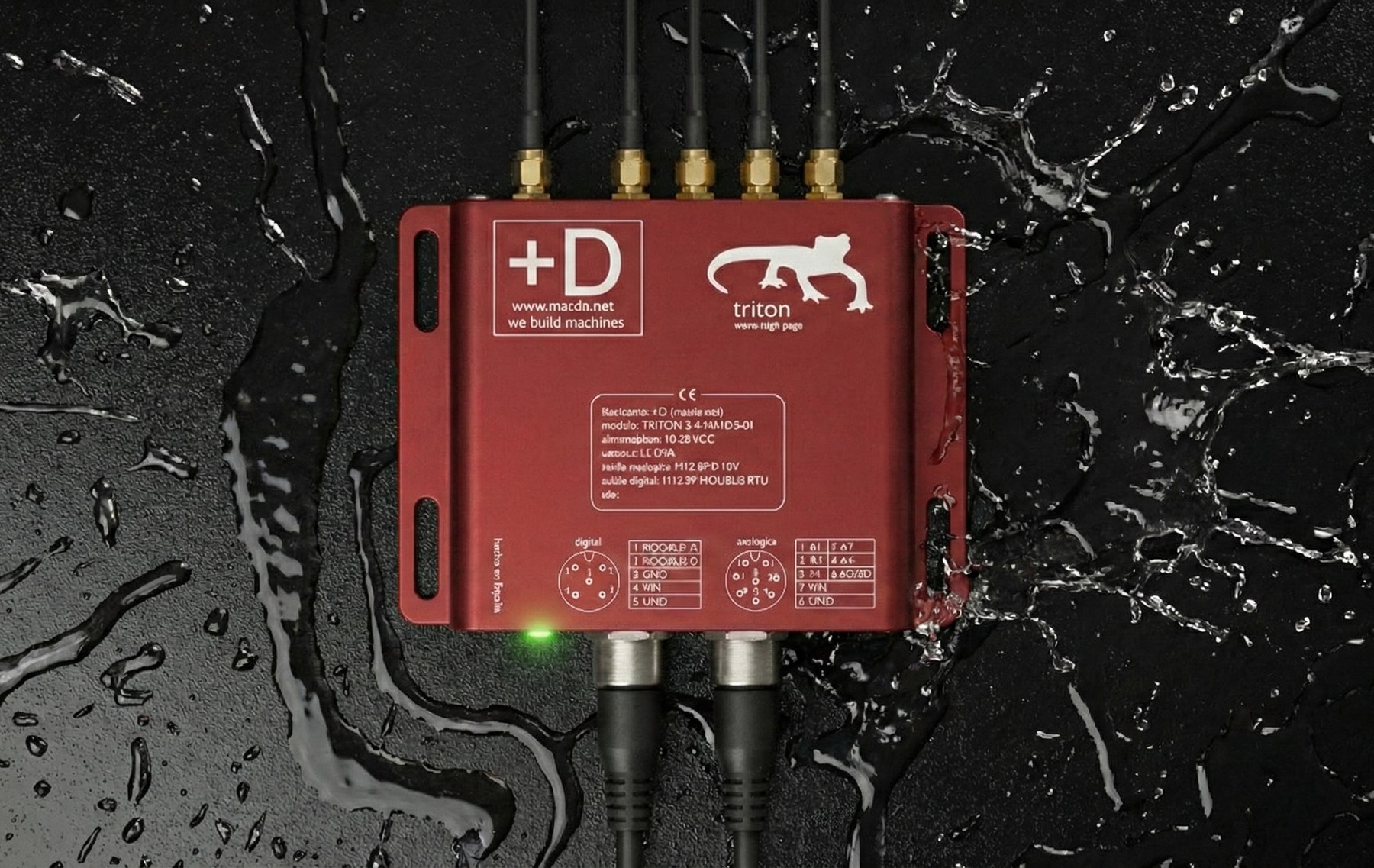
Four channels, one probe
Each channel is an independent capacitive gauge sharing a common ground reference. Sample every channel at up to 400 Hz with sub-picofarad resolution across a dynamic range to 5000 pF.
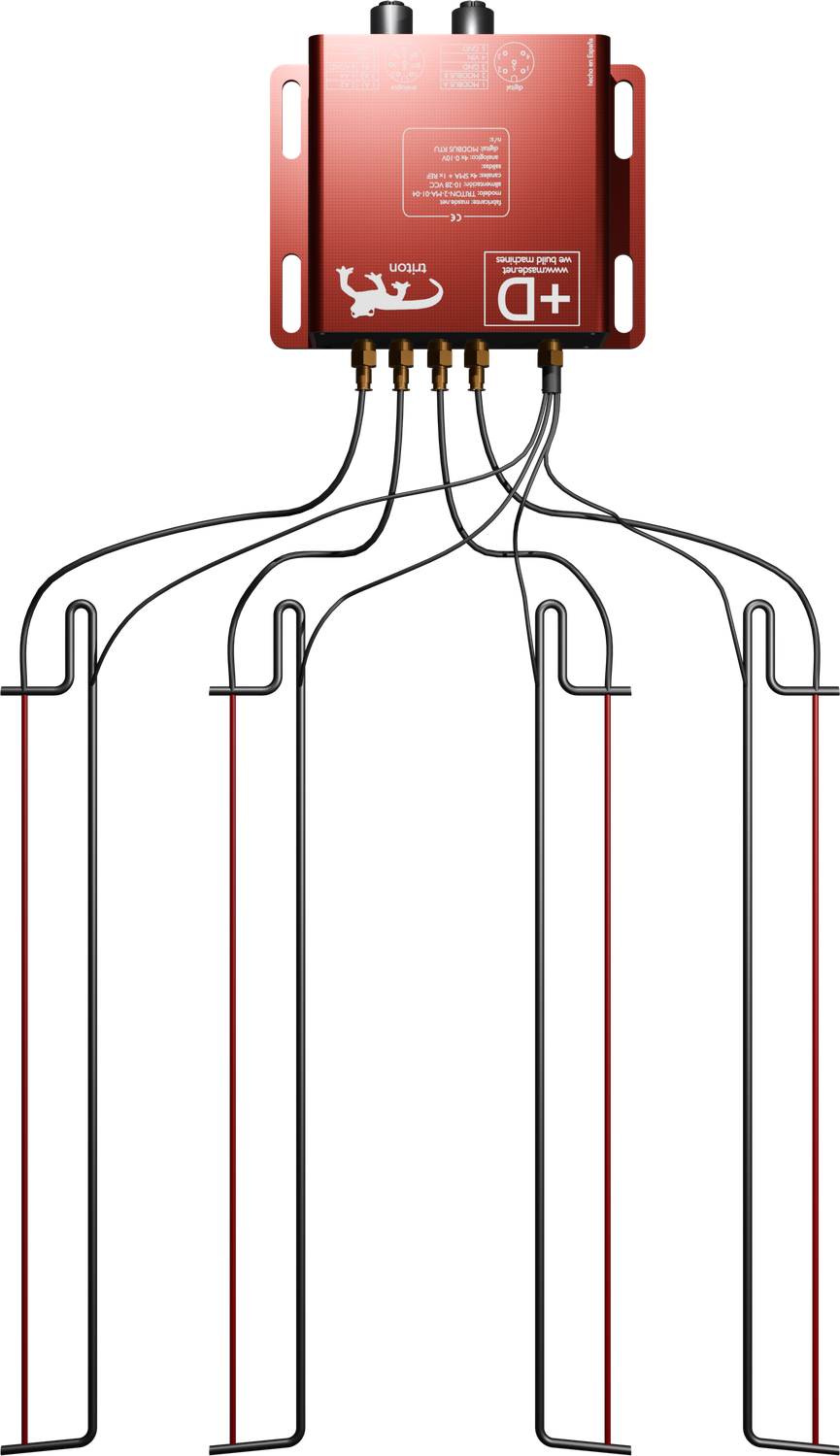
Technical specifications
Software
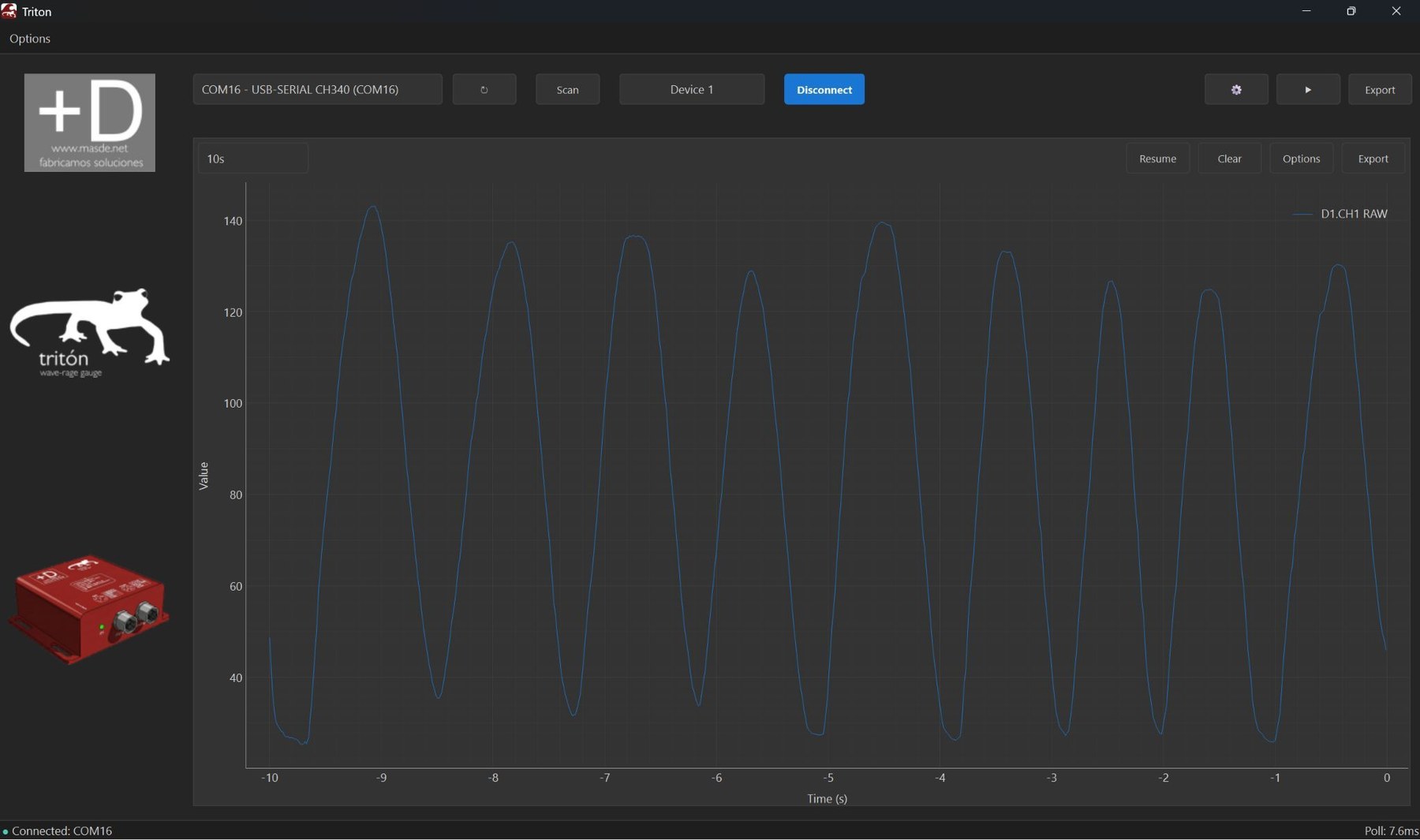
Real-time monitoring over Modbus — plus a Python library for total control of the link.
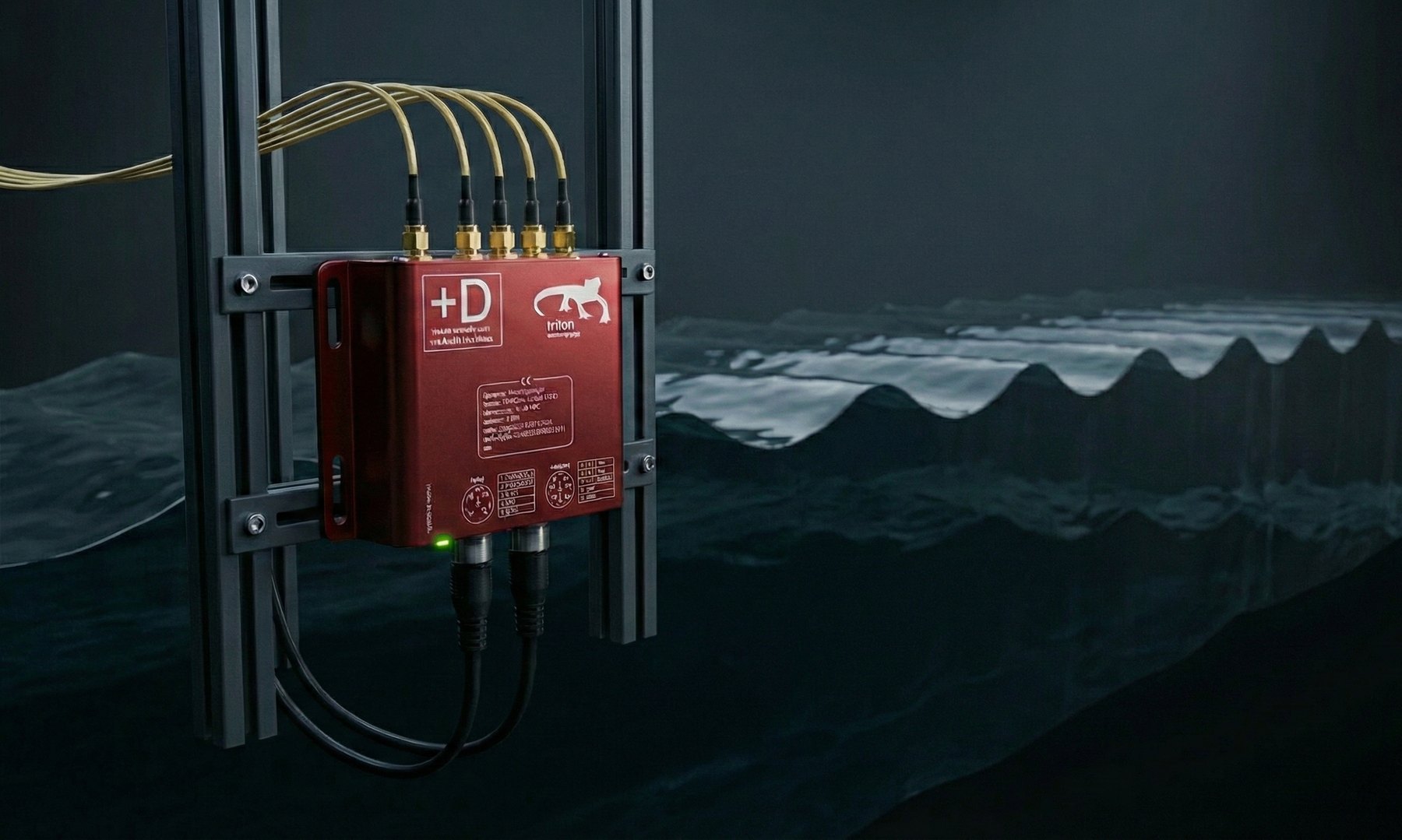
Mounting
Built for
In the box
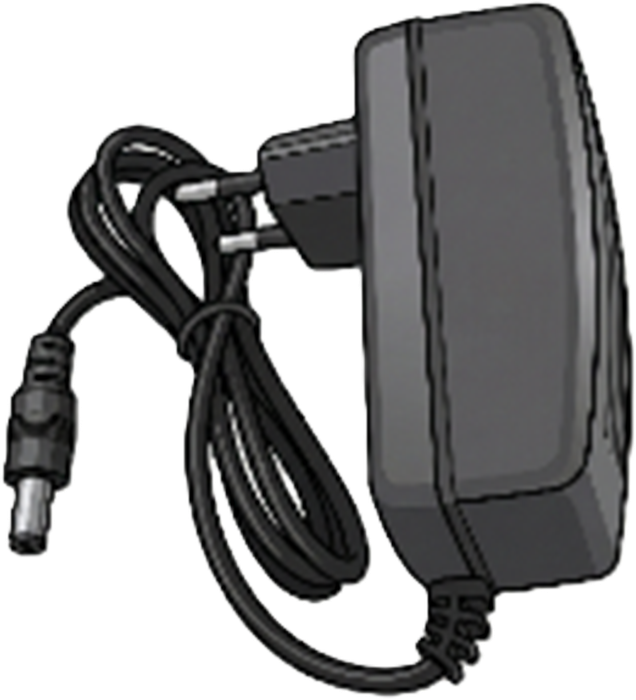
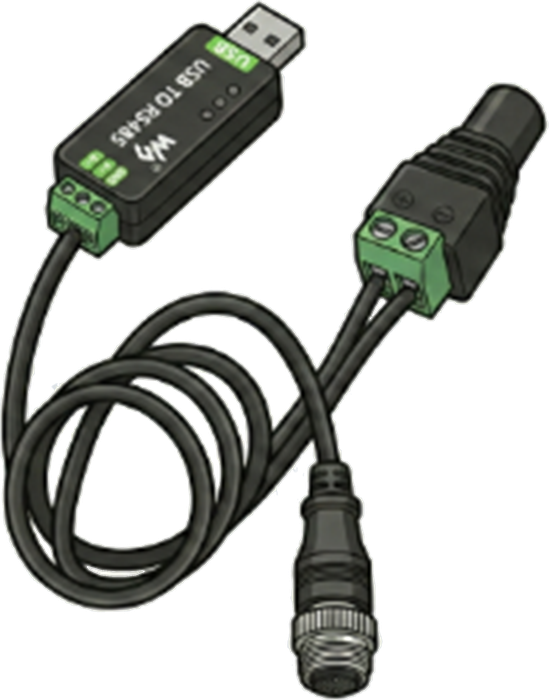

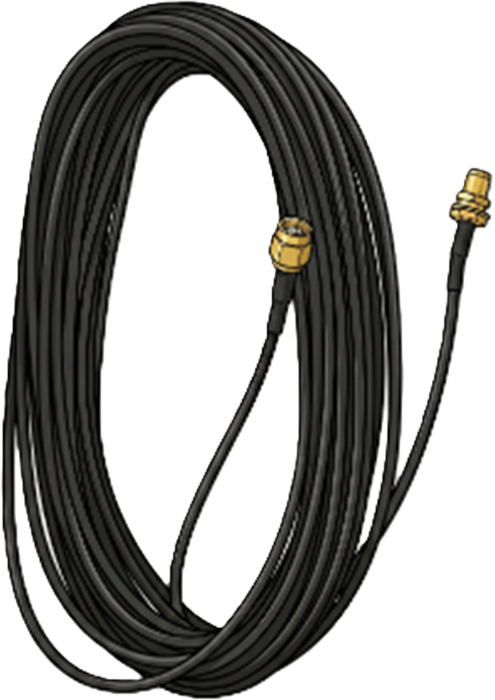
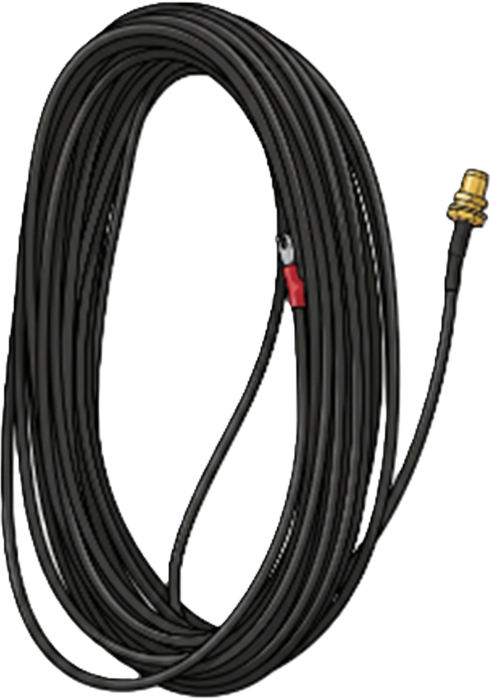
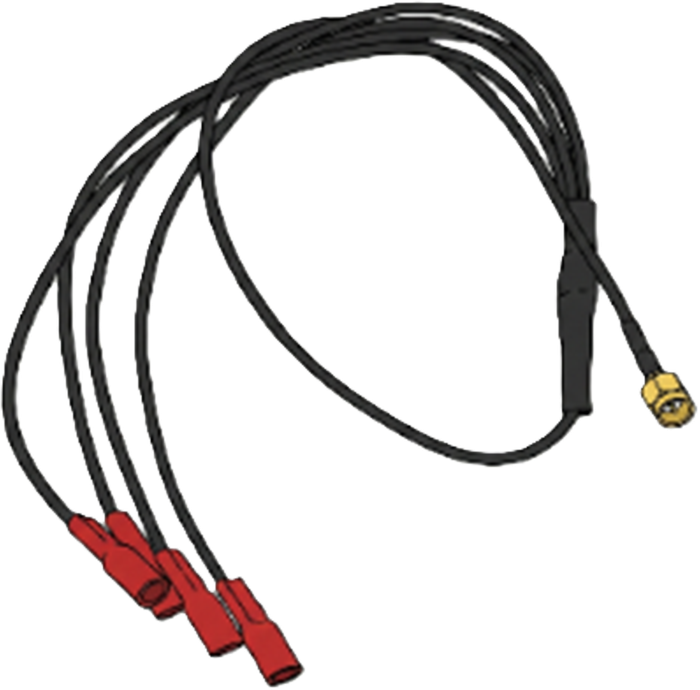
Tell us about your tank, flume or field site — we'll size the probes and arcs to match.